
The Ordinary Woman Who Sparked an Extraordinary Change: Myra’s Fight for True Natural Burials
When doctors told Myra Makin that her cancer had returned and this time would take her life, she faced that reality the same way she faced everything else — with clarity, honesty, and an unwavering respect for the natural world.
“I care a great deal about what’s happening with the environment,” she said. “By choosing a natural burial, I will become part of the environment, part of nature.”
Myra never saw herself as remarkable. She called herself “pretty ordinary, an average person.” Yet the legacy she created is anything but ordinary.
Her final wish — and the determination behind it — would help reshape how Australians think about death, dignity, and our relationship with the land.
A Decision Made Before Diagnosis
Long before the prognosis, Myra came across an advertisement about natural burials. Something about it resonated deeply. At the time she wasn’t ill. There was no urgency. Just curiosity — and an instinctive understanding that this was how she wanted her life to return to the earth.
Months later, after receiving the news no one wants to hear, she picked up the phone.
“My phone rang and she said, ‘I’ve seen an ad about your funerals, I’d like to know more,’” funeral director Kevin Hartley recalled. “I said, ‘Has there been a death?’ And she said, ‘Not yet, but I’m working on it.’”
It was classic Myra: direct, disarming, and always able to turn the darkest moments into something human.
Not a Cemetery — A Return to Nature
Natural burials were legal in South Australia at the time — but only inside existing cemeteries. For people like Myra, that missed the point entirely.
She didn’t want a headstone.
She didn’t want manicured lawns or concrete vaults.
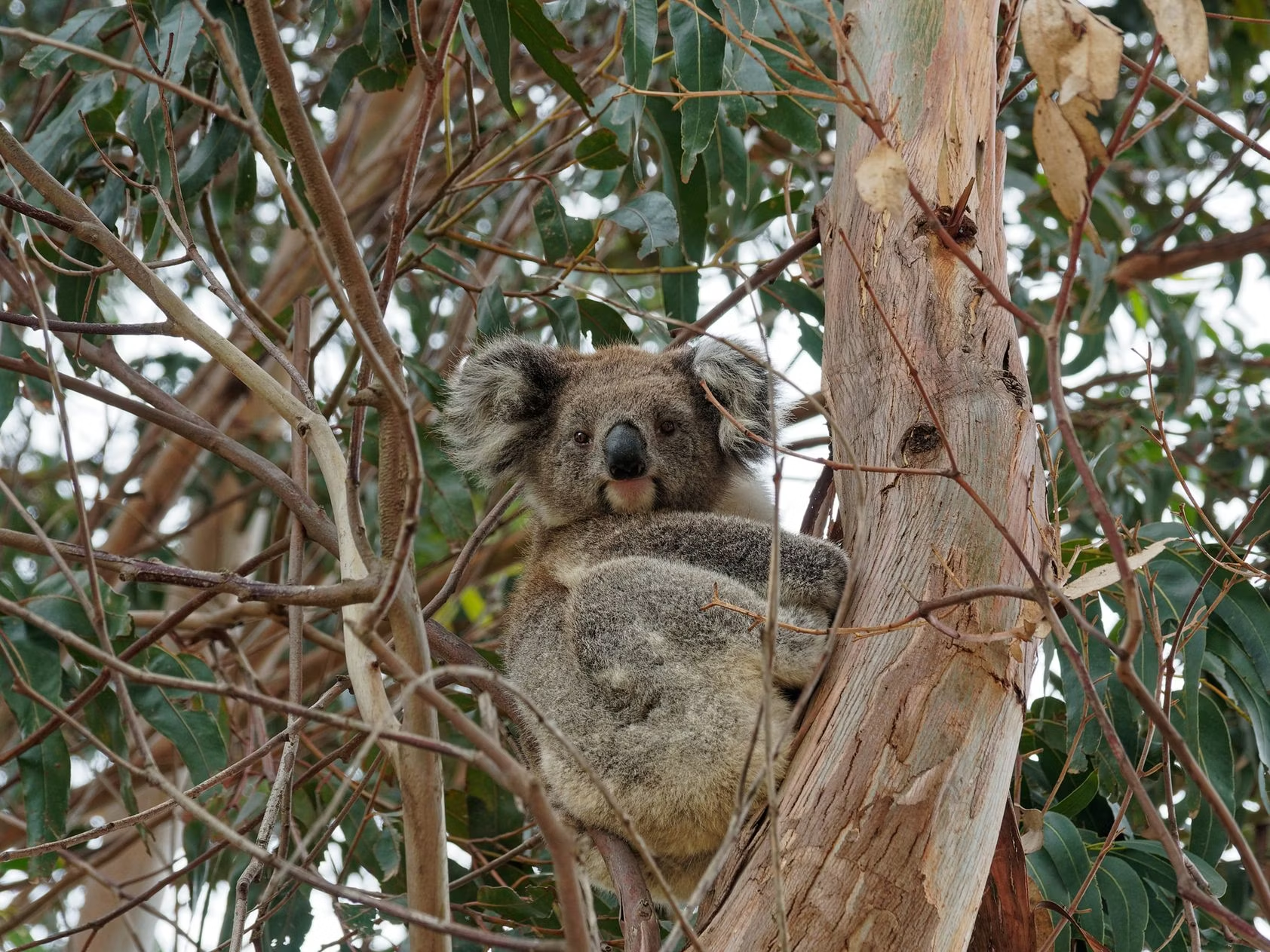
She wanted to be part of the bush.
She wanted to become a tree.
“No, no,” she told Kevin. “I don’t want to see headstones. It has to be somewhere I can be a tree. Isn’t there somewhere?”
At the time, the answer was no.
Natural burial sections in traditional cemeteries felt like compromise — an environmental idea squeezed into an industrial model of death. The real solution, Kevin argued, was a standalone burial ground: a place designed around restoration, not real estate.
Governments weren’t ready. Councils weren’t moving. Policy lagged behind community need.
Myra was simply ahead of her time.
The Gift of Good People and Good Luck
In the end, Myra’s wish came true thanks to something planners and legislation could never provide: kindness.
An Adelaide Hills couple, who planned to host natural burials on their own land, learned of Myra’s struggle. They offered her a place on their property — no red tape, no cemetery walls, no compromise.
One September weekend, surrounded by her family, Myra visited the land that would one day hold her, becoming part of a landscape she admired.
Her story was no longer just about how she would be buried. It became about why she would live out her final months openly, proudly, and with intent — because thers might not be so lucky.
Strength, Style, and a Final Fashion Parade
Even as her illness advanced, Myra’s humour never abandoned her.
When it came time to choose a burial shroud, she threw what she called her “afterlife fashion parade.”
“It’s important,” she said, “because this will affect my family. Girls always like fashion — we need to get it right.”
The shroud was jute. Biodegradable. Humble. Perfect.
Long after doctors said she would be gone, she was still there — laughing with her family, buying Christmas presents, planning the small details of how she would leave the world.
Her GP described her with awe: “I felt very privileged to be her doctor. Her positive attitude when so much was going wrong was inspiring.”
To her grandchildren, she was strong and philosophical.
To her children, she was courageous.
To Kevin, she was proof that sometimes a single life can move mountains.
An Ordinary Life, a Powerful Legacy
When asked, near the end, whether she considered herself extraordinary, she gently refused the compliment.
“I see myself as ordinary,” she said. “Very lucky. Very fortunate. I’ve lived dreams, had a fantastic family. And I’ve had the chance to say what I wanted to say. Many people never get that chance.”
But what she did was not ordinary.
She lit a spark.
Her story helped fuel the push for a true natural burial ground — one not fenced in by headstones, industry, or convention, but rooted in restoration, conservation, and respect.
How Myra’s Wish Became a Movement
Years after Myra’s burial, that spark grew.
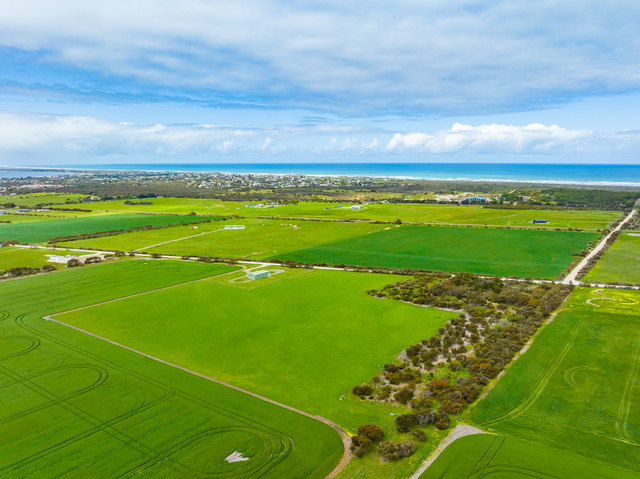
Kevin Hartley and a small group of advocates worked tirelessly to turn her idea into something permanent. Their vision evolved from a compassionate alternative into a pioneering environmental project: Australia’s first Restoration Burial Ground.
A place where each burial contributes to the regeneration of native ecosystems.
Where land once barren becomes bushland once more.
Where memory and habitat share the same soil.
It is no longer luck or coincidence that lets someone be buried naturally.
It is a choice — one protected, stewarded, and made available to every Australian.
Help Carry Myra’s Legacy Forward
The Natural Burial Ground Trust of Australia was born from stories like Myra’s — from people who wanted to leave the earth the way they loved it: gently, respectfully, and with purpose.
Today, the Trust is raising funds to create more restoration burial grounds, support ongoing conservation, and ensure that no one has to fight for the right to leave this world naturally.
Myra believed that one person could make a difference.
She already has.
Now it’s our turn.
Support the Natural Burial Ground Trust of Australia. Help restore, respect, and renew our environment — one life at a time.